Blog· November 16, 2026
Field notes: the property nobody worried about that topped this year's capex list
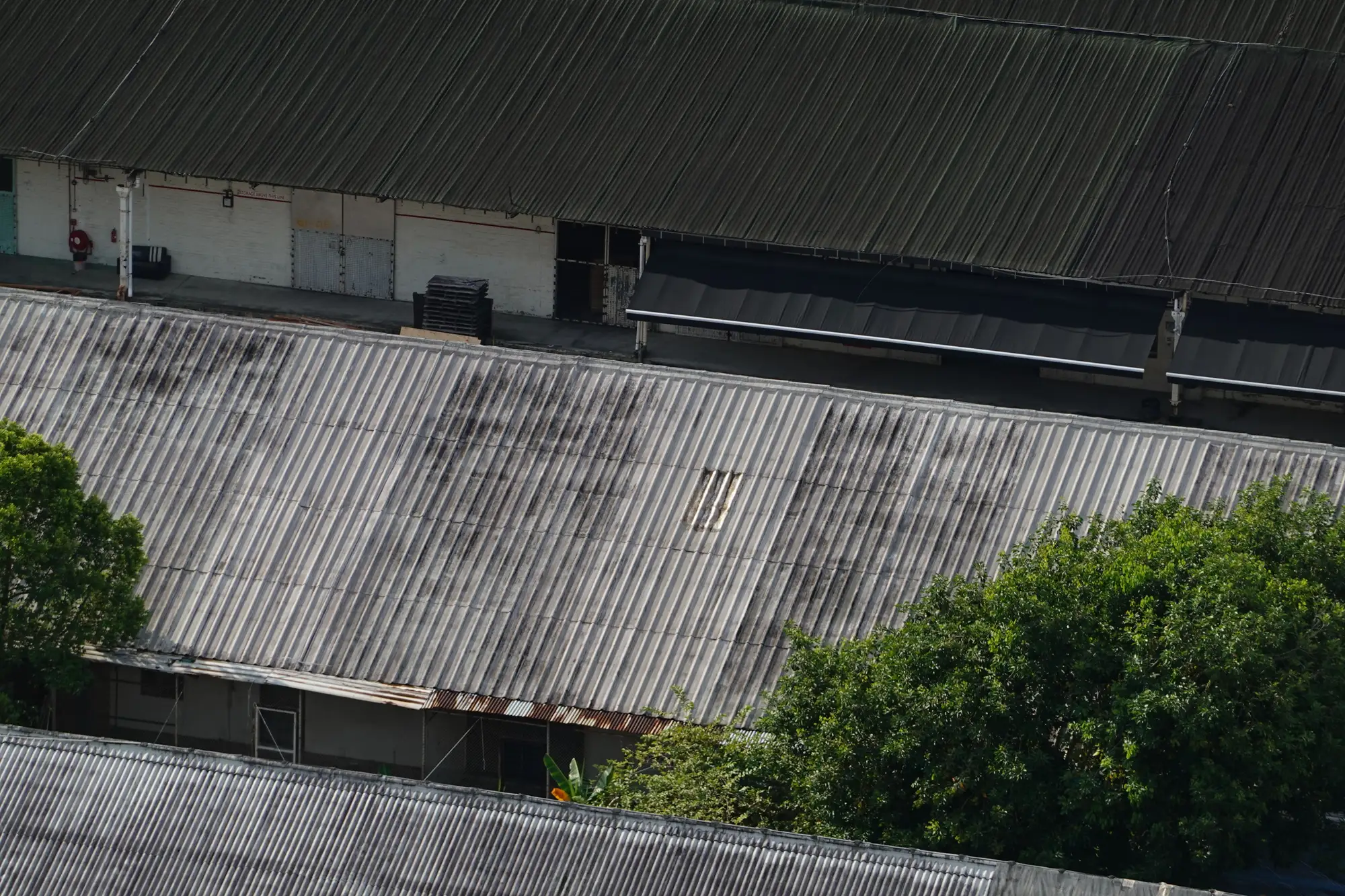
Every portfolio has one of these. Not the flagship retail center with the marble lobby, not the headquarters building someone drives past twice a day. The property that shows up on page four of the rent roll, generates steady income, and hasn't had a capital request filed against it in six years because nothing's ever gone wrong.
This cycle, one of those properties landed at the top of a capital plan I was reviewing: a single-tenant distribution annex, built in the late '90s, long-term triple-net lease, tenant handles its own interior maintenance. The kind of asset that gets a drive-by every couple of years if someone happens to be in the area for something else. Nobody had flagged it. Nobody had reason to.
The roof was a 30-year membrane installed in 2011. On paper, that's mid-life. In the field, it had taken on water at three low-slope drainage points, and the surface wear had spread further than anyone expected because nobody was watching it closely enough to catch it early. The parking lot, used daily by trucks that don't care about striping lines, had alligator cracking across two full drive aisles that the original paving contractor would not have signed off on. The yard strip along the back fence, never anyone's job in particular, had gone from mowed grass to waist-high growth that was starting to lean on the fence line itself.
None of this happened overnight. It happened the way deferred maintenance always happens: a little at a time, on a schedule nobody was checking, on a property that fell below the threshold for a site visit.
That's the pattern worth naming: the costliest properties on a capital plan are usually the ones that quietly age out of the rotation, wearing down while nobody's looking. A property manager's attention follows complaints, lease events, and anything visibly on fire. A roof with three failed drainage points and a tenant who hasn't called about it yet doesn't generate a work order. It generates a surprise, two years later, when someone finally walks the roof and finds out the deck underneath has started to go soft.
The properties that get walked every year are, almost by definition, the ones somebody already worried about. The ones that don't get walked are the ones aging in silence. And a portfolio of any real size has more silent properties than anyone wants to admit, because a truck roll to every address, every year, isn't something most capital planning teams can staff or justify. So the rotation gets prioritized, which means some properties get skipped, which means the condition data on them gets stale, which means the next capital request is a surprise instead of a line item.
Finding the annex took somebody looking at the roof surface, the lot, and the yard with enough regularity that wear shows up as a trend instead of an emergency. That gap, between the properties that get walked and the properties that don't, is what a yearly condition pass closes. Every address gets looked at on the same cadence, including the ones nobody's worried about yet.
Asset Condition Review runs a high-resolution pass over the whole portfolio once a year and turns what it sees into a condition score per site: roof wear, lot cracking, yard upkeep, so the quiet properties show up on the list before they become the top of it. If you want to see what your own overlooked addresses are doing this year, the overview is on the homepage.
Worth a look before next year's budget gets built around last year's assumptions.