Blog· November 2, 2026
Field notes: the site that scored fine on paper and flunked the walk-through
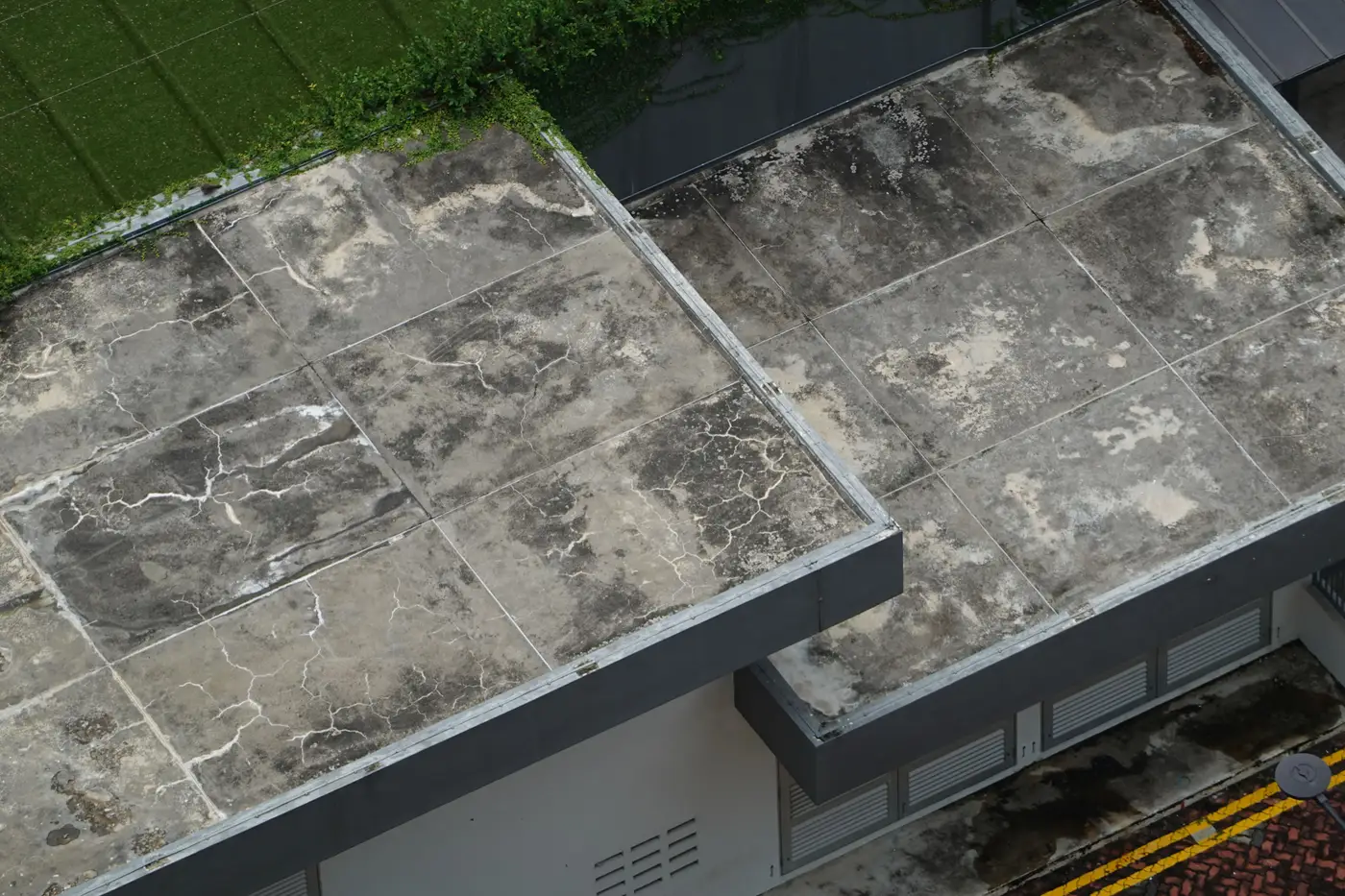
A regional facilities manager I know spent a Tuesday last spring walking a distribution building outside Columbus that had come through the reserve study with a clean bill of health. Roof membrane rated at 60% remaining useful life. Lot condition "fair." Landscaping "maintained per contract." On the spreadsheet, this property sat comfortably in year three of a ten-year hold, nothing urgent, nothing flagged.
Forty minutes on site told a different story. The EPDM had alligatoring along the entire south parapet where afternoon sun hits hardest, the kind of surface crazing that doesn't show up until you're standing on the membrane. Two low spots near a roof drain had standing water from a storm four days earlier, water that should have cleared in hours. The parking lot's seal coat had worn through in the drive lanes down to raw asphalt, and the ADA striping near the dock doors had faded to a suggestion rather than a line. None of that made it into the report that scored the building fine.
A desk review is built to catch certain things, and this gap sits outside its reach. A reserve study works off age, material type, and a depreciation curve. A building seven years into a twenty-year roof reads as fine by that math, regardless of what the sun, drainage, and foot traffic did to it that year. The curve doesn't know about the parapet that bakes all afternoon or the drain that's been slow since a tenant's HVAC retrofit shifted runoff. Paper tracks what should happen to materials on average. Roofs and lots age unevenly, one drain, one expansion joint, one compacted subgrade at a time.
A clean score on paper carries a cost of its own. It buries that building at the bottom of next year's budget conversation, behind every site with an open red flag. By the time someone notices the ponding or the alligatoring in person, the roof has usually gone from patch-the-membrane money to replace-the-section money. Deferred maintenance doesn't wait for the spreadsheet to catch up.
What makes this gap hard to close at portfolio scale is the math of site visits. A capital planning team covering sixty or eighty properties across three states can't walk every roof and lot every year with the headcount most teams carry. So the reserve study becomes the default, updated on a cycle, trusted more than it probably should be, because the alternative is a travel budget nobody has.
A yearly image pass over the whole portfolio catches a different slice of this problem. It flags the roofs with visible alligatoring or ponding and the lots with worn seal coat, address by address, so the dozen sites actually worth sending someone to walk get picked before the capital plan locks. That's the annual look Asset Condition Review runs across every address, including the ones nobody's flagged yet.
The Columbus building eventually got its roof repair scoped properly, about eight months later than it should have, and the budget line reflected that delay. Nobody did anything wrong exactly. The paper said fine. The building disagreed.
If your reserve study and your last drive-by don't quite match on a few properties, that gap is worth closing before next year's plan locks in.