Blog· October 19, 2026
How long does a single-ply roof membrane last before it needs capex?
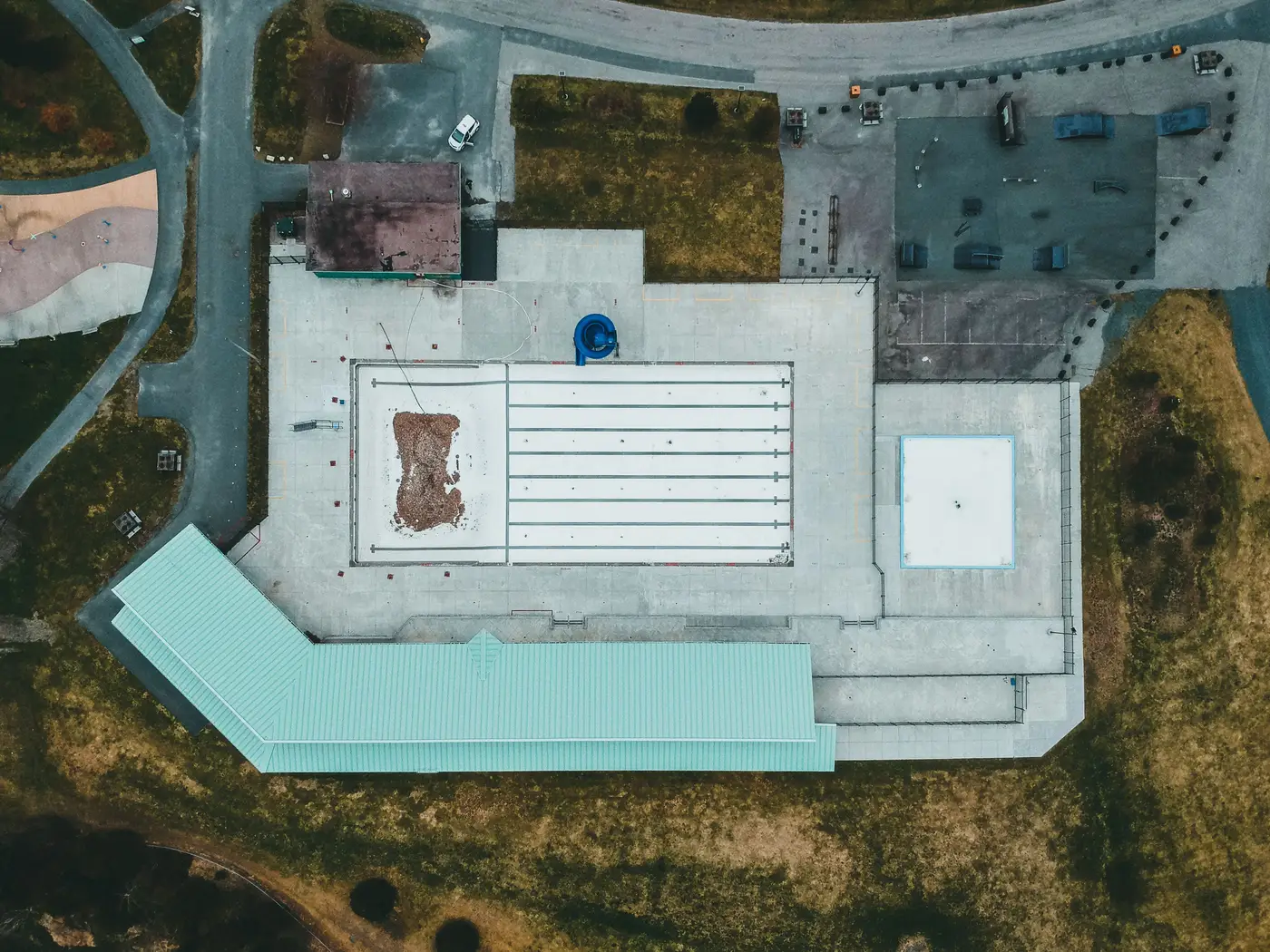
Most capital plans treat roof replacement as a fixed-age event. Twenty years, put it in the budget, move on. The membrane doesn't work that way, and treating it like it does is how a reserve study either overfunds a roof that has five good years left or underfunds one that's already leaking into the deck.
Typical lifespan by membrane type
The three single-ply membranes you'll see across a commercial portfolio age differently:
TPO runs 20 to 30 years under normal conditions, though early-generation TPO from the late 1990s and early 2000s had seam and formulation problems that shortened a lot of real-world installs to 15 years or less. If your portfolio has TPO roofs from that window, don't trust the nameplate age.
EPDM is the old reliable, typically good for 20 to 25 years, sometimes pushing 30 on a well-maintained, ballasted system. It degrades more predictably than TPO, mostly through UV embrittlement and seam tape failure at the laps.
PVC tends to land in the same 20 to 30 year range as TPO, with better chemical and grease resistance, which matters if the building has rooftop exhaust from food service or industrial processes.
Built-up and modified bitumen roofs, still common on older commercial stock, run 15 to 20 years and show wear earlier through blistering and granule loss.
Against all of that, standard three-tab asphalt shingle on a low-slope commercial application (where you see it) lasts 15 to 20 years, and architectural shingle maybe 20 to 25. The membrane vs shingle roof lifecycle gap is real, but shingle shows up mostly on ancillary structures, mixed-use residential components, or older retail strip construction rather than main flat-roof commercial buildings.
Why age alone isn't the capex trigger
Here's the problem with scheduling replacement purely off install date: two TPO roofs installed the same year, on the same spec, from the same contractor, can be in completely different condition ten years later. Drainage design, rooftop foot traffic from HVAC service, ponding water, and regional UV exposure all move the timeline independently of the calendar.
A roof that's holding standing water in low spots is aging faster than its neighbor even if both went up in the same quarter. Membrane shrinkage, seam separation, and surface chalking are all visible before a leak shows up on a maintenance ticket, and by the time maintenance calls it in, you're usually past the point of a cheap patch and into full replacement territory.
This is the gap in a typical reserve study: it projects roof replacement cycle commercial property timing off age and material class, then nobody walks every roof every year to check whether the projection still holds. For a 40-building portfolio, that walk-through is the expensive part, not the judgment call.
What a condition pass flags
If you're trying to time capex correctly rather than just on schedule, the things worth tracking at the roof surface level are the same every year: membrane surface wear and discoloration, visible seam or flashing separation, ponding water extent, and any patch work that's grown since the last look. None of that requires getting on the roof. It requires looking at the roof.
That's the gap Asset Condition Review is built to close: one annual pass across the portfolio scores roof surface wear, alongside lot and yard condition, so you can see which roofs are actually drifting ahead of their projected replacement date instead of finding out from a leak call. It comes back as a ranked list and a map layer, built to sit next to the capital plan rather than replace the reserve study.
If roof age in your reserve study and roof age on the actual surface have started to disagree across even a handful of properties, that's worth a look before the next budget cycle, not after it.