Blog· October 7, 2026
How to read a reserve study for roof replacement timing
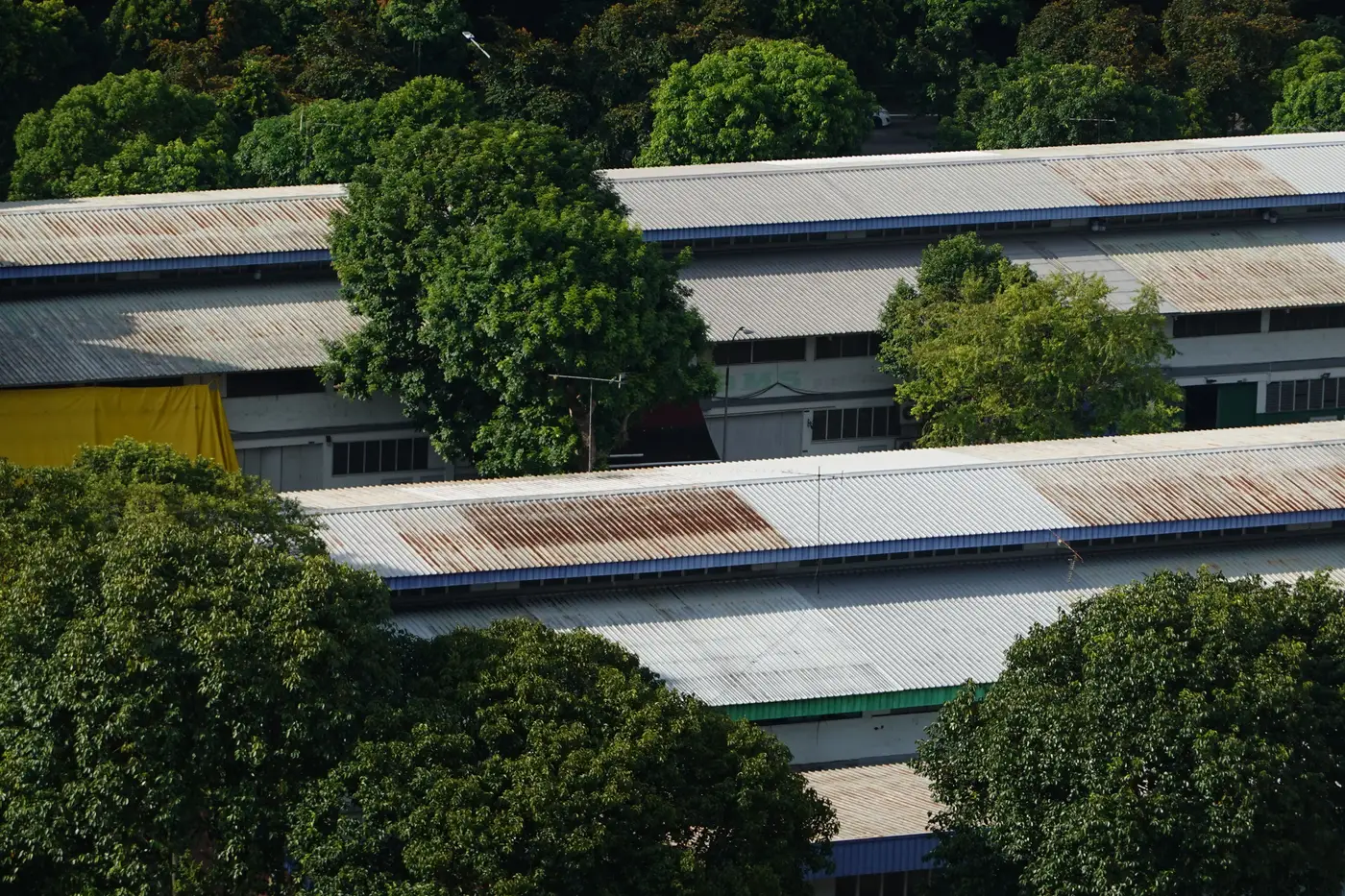
A reserve study lands on your desk once every three to five years, and the roof line item is usually three or four rows buried in a hundred-page PDF. Most capital planning leads skim the remaining useful life number, nod, and move to the next building. That number deserves a closer look before it goes into next year's capex schedule.
What the roof section actually contains
A standard reserve study gives you four pieces for each roof: the install or last-replacement date, an assumed useful life pulled from a generic table, a remaining useful life (RUL) calculated by subtracting age from that table value, and a replacement cost estimate based on square footage and current material pricing. The funding plan then spreads that cost over the years leading up to the projected replacement date.
The part that trips people up is the useful life table itself. A 20-year EPDM roof and a 25-year TPO roof get different baseline numbers, but the table doesn't know that your Phoenix site bakes under 110-degree summers while your Minneapolis site cycles through freeze-thaw every winter. The table is an industry average, not a site-specific read. Two roofs installed the same year, same material, can be five years apart in actual wear depending on climate, drainage design, and how much foot traffic the HVAC techs put on the membrane.
Reserve study roof useful life versus actual condition
This is where the reserve study and the real world start to diverge. Most reserve study providers don't climb onto every roof during the update cycle. Depending on the firm and the contract, the assessment is a visual walk of a sample of sites, or a windshield survey from the parking lot. The RUL figure gets carried forward from the previous study with minor adjustments, not re-measured. By year three or four of a five-year reserve study cycle, you're making capex decisions off a number that was a reasonable guess two renewal cycles ago.
For a single building, that gap is manageable. A facilities manager walks the roof once a year and catches blistering or ponding before it becomes a leak. For a portfolio of 40, 80, or 200 properties, nobody is walking every roof every year, so the reserve study's RUL often stands in as the only condition signal anyone has. That's the gap that causes the two failure modes capital planning leads complain about most: replacing a roof two years early because the table said so when the membrane still had life in it, or getting blindsided by a leak on a roof the reserve study said had six years left.
Turning the reserve study into a capex forecast you can defend
The reserve study stays in place as the baseline funding document your board or ownership group expects. It does the job of amortizing roof capital across the portfolio in a way that's auditable. What it needs is a condition check that doesn't depend on the next physical site visit or the next reserve study renewal cycle.
A few things worth doing when you sit down with a roof line item:
- Check the assessment basis footnote. If it says "visual, exterior" or doesn't specify, assume the RUL is table-driven, not inspection-driven.
- Compare the install date against your own maintenance log. A roof with two or three prior patch repairs is probably aging faster than the table assumes.
- Flag any roof where the reserve study RUL is under five years and cross-check it against whatever current-year condition data you actually have, even if that's just the last site visit notes.
- Don't treat the funding plan's replacement year as a hard date. Treat it as a planning placeholder that should move earlier or later based on what the roof actually looks like this year.
That last point is the real work, and it's the part that's hardest to scale across a portfolio without sending a crew to every address every year. Asset Condition Review exists for exactly that gap: an annual aerial pass over the whole portfolio, scored per roof, so the reserve study's useful-life assumption has a current-year check behind it instead of a five-year-old guess.
If your next board packet needs the roof capex numbers to hold up to scrutiny, it's worth seeing what a portfolio-wide condition score looks like before you lock in the schedule.