Blog· November 9, 2026
Deferred maintenance vs. capital reserve: what the terms really mean
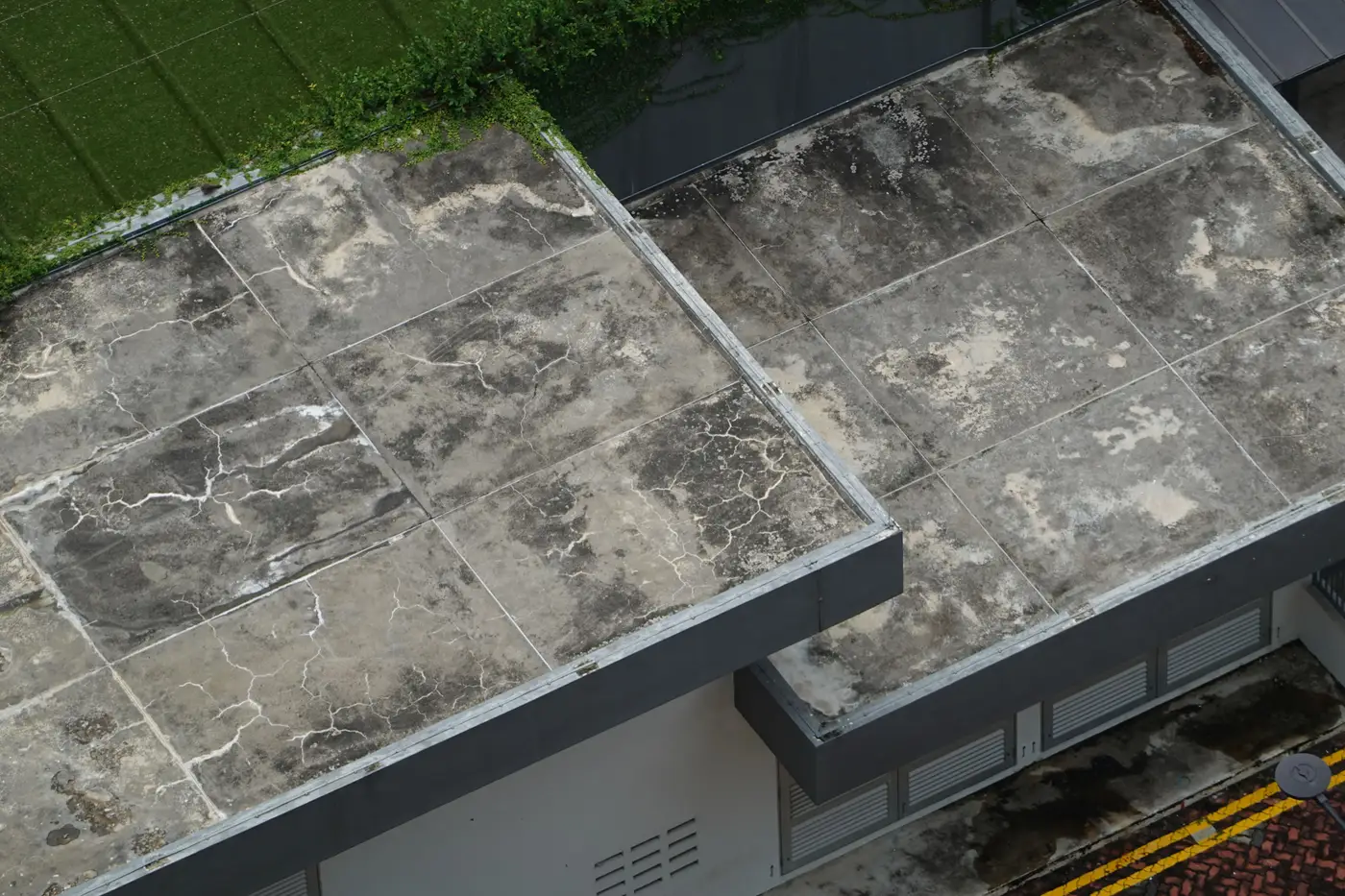
Every capital plan has both terms in it, and they get used almost interchangeably in budget meetings. They shouldn't be. One is a physical condition. The other is a line item. Mixing them up is how a reserve study ends up underfunded for three years running.
Deferred maintenance is a backlog, not a budget line
Deferred maintenance is work that should have happened on schedule and didn't. A roof membrane that was due for a recoat two years ago and is still bare. A parking lot where the sealcoat cycle slipped because the site wasn't on anyone's radar that quarter. Striping that's faded past the point where it reads on a rainy night. None of that is optional cosmetic stuff. It's wear that was supposed to be addressed at a known interval, and the interval came and went.
The problem with deferred maintenance is that it doesn't sit still. A hairline crack in asphalt that gets sealed this year costs a few dollars a square foot. The same crack left through two freeze-thaw cycles becomes alligatoring, then a base failure, then a mill-and-overlay job that costs ten times as much. Roofs are the same story: a blistered membrane patched at year 12 is cheap. A membrane ignored until it's leaking into tenant space at year 16 is a different conversation entirely, one that usually involves a lawyer.
So deferred maintenance is a description of physical condition at a point in time. It's what you'd find if you walked every roof and lot in the portfolio today and wrote down what's overdue.
Capital reserve is the money set aside to fund the fix
A capital reserve (sometimes called a capex reserve or replacement reserve) is the pool of funds a REIT or facility group sets aside, usually annually, to cover the predictable big-ticket items: roof replacement, lot resurfacing, HVAC turnover, that kind of work. It's built from a reserve study that assumes a useful life for each asset component and schedules a reserve contribution against it.
Here's where the two terms collide. A reserve study is built on assumed condition, not observed condition. It says "this roof has a 20-year life, it's year 14, we're funding toward replacement in year 20." That's a reasonable planning assumption.
But if the roof is degrading faster than the model assumes, because of hail exposure, poor original install, or just a bad batch of membrane, the reserve schedule and the physical reality drift apart. The reserve says you have six years. The roof says you have two.
That drift is exactly what deferred maintenance measures and a reserve study can't, because a reserve study is a spreadsheet exercise, not a site inspection. You can have a fully funded reserve and still be carrying a backlog, because the reserve was built on an assumed timeline and nobody verified whether the timeline still holds. It's entirely possible to be over-reserved for assets that are aging better than planned, and underfunded for a handful of sites that are failing early, and never know it because the aggregate reserve number looks healthy.
Why portfolio-scale planning needs both numbers
Capital reserve planning for property portfolios usually runs on a multi-year cycle: reserve studies get refreshed every three to five years, and between refreshes, condition is assumed rather than checked. That gap is where deferred maintenance accumulates, site by site, unmeasured by the reserve model, until a refresh or an emergency repair surfaces it.
What closes the gap is a current read on where the backlog actually sits, so the reserve allocation gets weighted toward the sites that need it instead of spread evenly across the portfolio on the assumption that every roof is aging on schedule. That's what Asset Condition Review is built for: a condition score per site, covering roof surface wear, lot cracking and striping, and yard upkeep, scored annually without a truck roll to every address, so the deferred maintenance list and the reserve allocation are working off the same current data instead of a five-year-old assumption.
If your reserve study hasn't been checked against actual roof and lot condition since it was written, that's worth fixing before the next funding cycle, not after.